
Setting the Standard: Building Co-production in Sussex - Reflections on the Coproduction Conference
Last week we co-hosted the 4th Sussex Co-production Conference – with 120 people in attendance it was an exciting day!
Starting the Sussex Co-production Charter
The central task of the day was beginning development of a Sussex Co-production Charter. A standards framework.
The intention is clear:
-
Define minimum expectations for co-production across Sussex
-
Clarify what shared power looks like in decision-making
-
Set expectations around payment, influence and transparency
-
Create a basis for accountability
Workshops stress-tested values against live system pressures; neighbourhood mental health developments, commissioning cycles and governance structures. How do we set these standards as a county? How do we ensure organisations buy into it? This conference was the start.
Reflecting on learning and people practice
Four conferences in, the network has matured. We took time to reflect on what has genuinely shifted in Sussex and where hierarchy still dominates. Participants were open about gaps in practice, particularly around:
-
Early involvement versus late consultation
-
Payment equity
-
Feedback loops and transparency
-
Decision-making authority
The strength of a network lies in its ability to challenge itself.
Pledging with intent
Participants made specific pledges linked to:
-
Embedding co-production in governance
-
Protecting lived experience influence within neighbourhood models
-
Resourcing participation properly
-
Strengthening scrutiny
These commitments will be followed up. Pledging is only meaningful if it leads to action.
Creative space and inclusivity
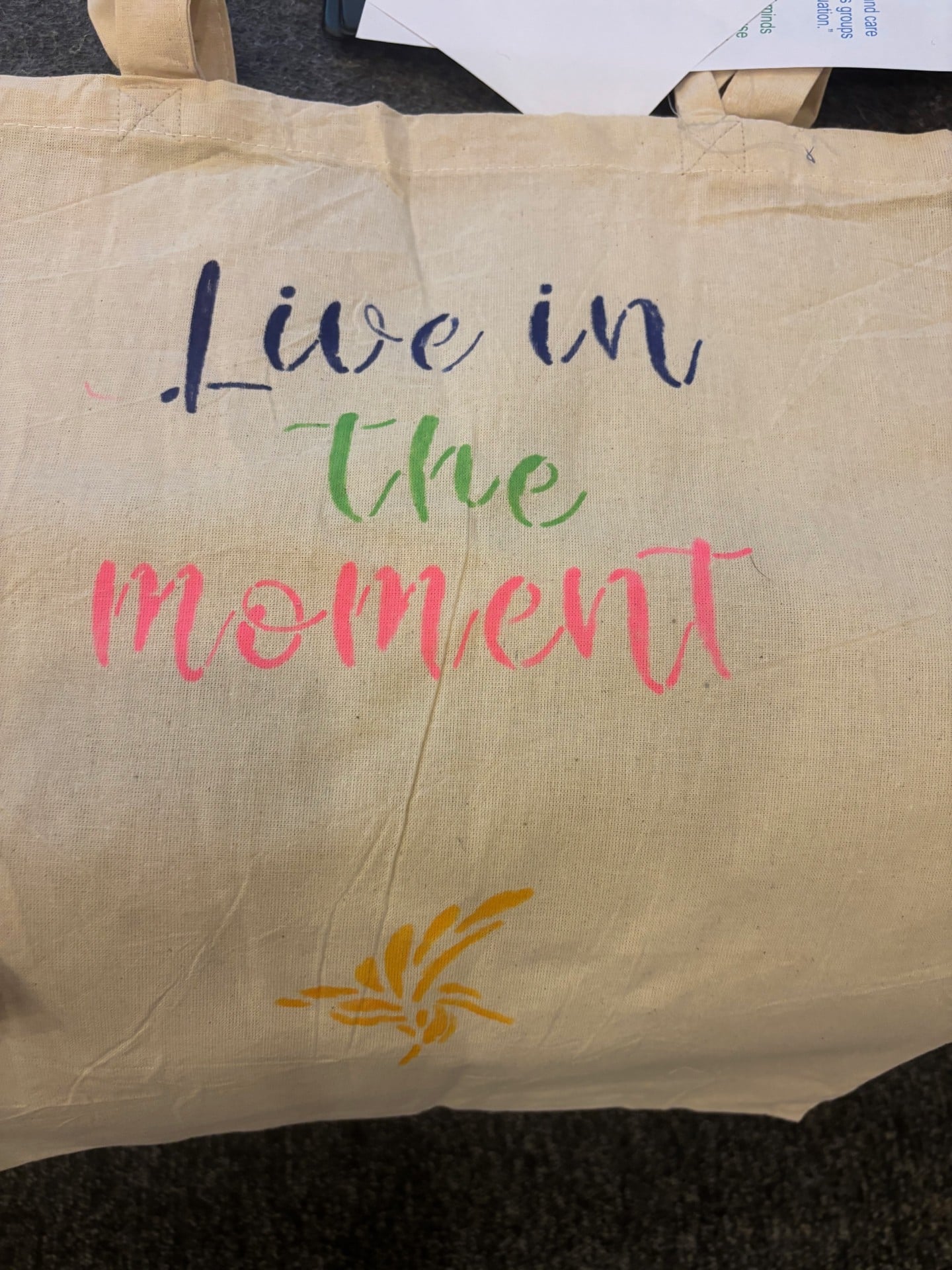
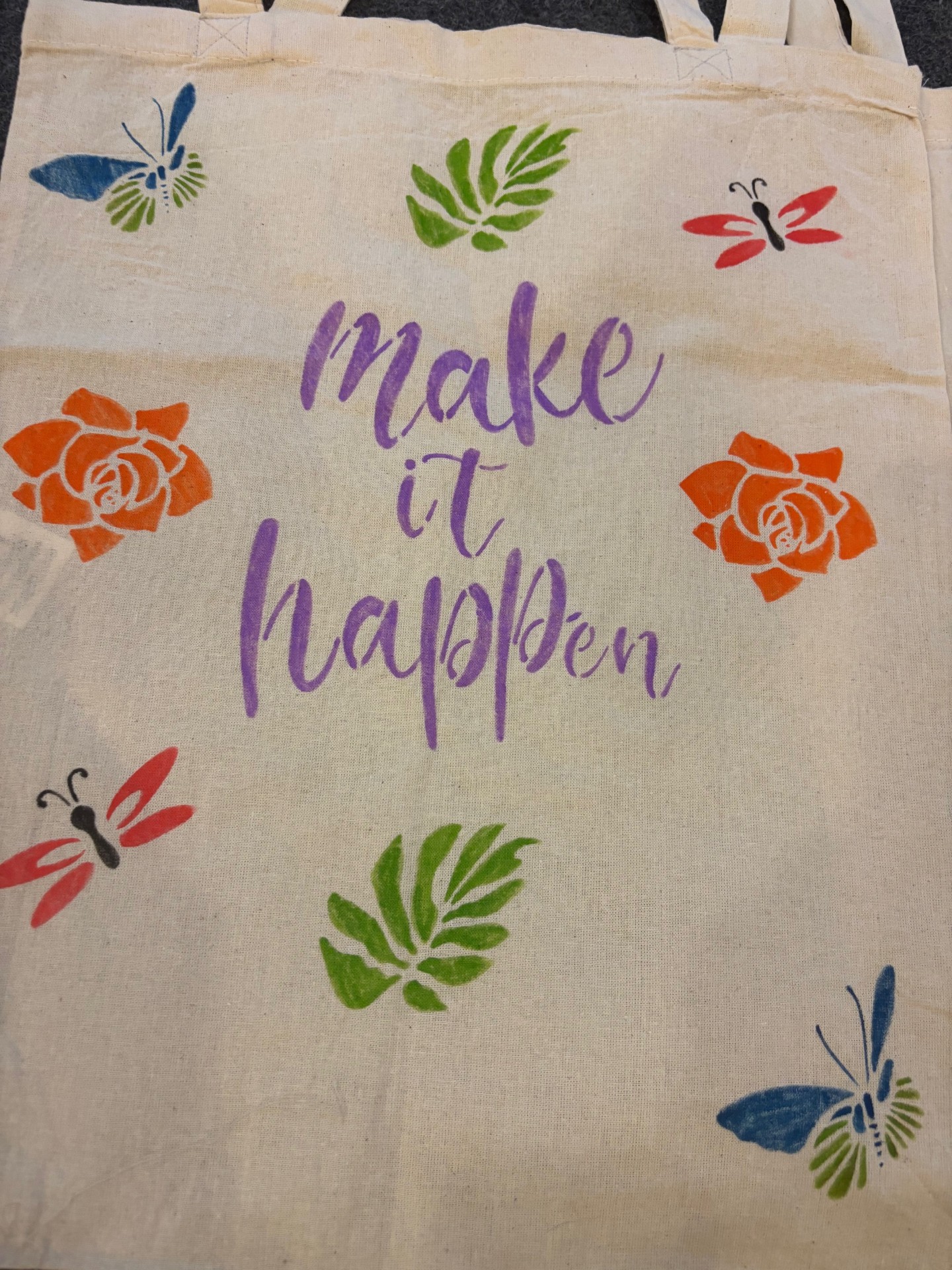
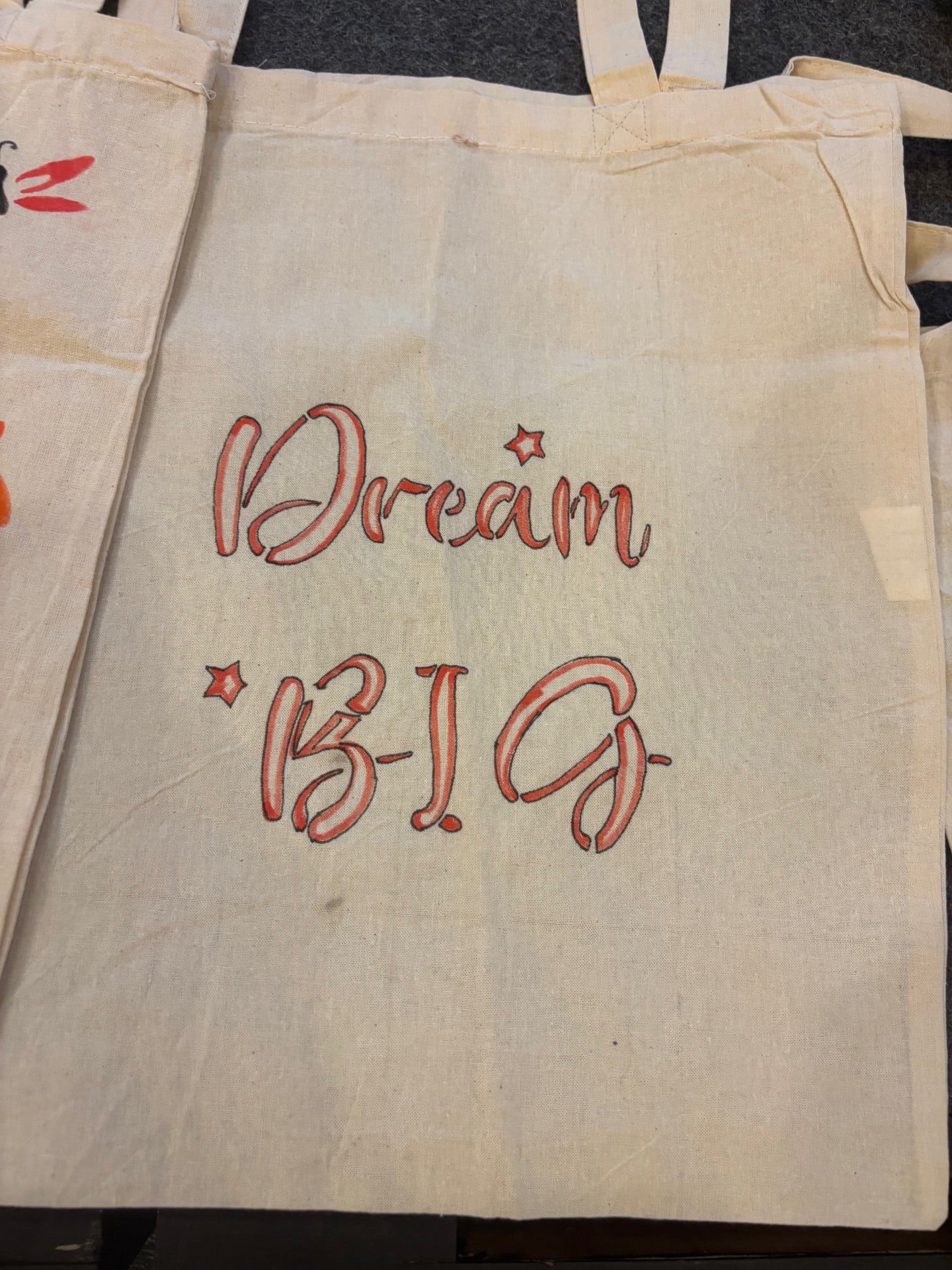
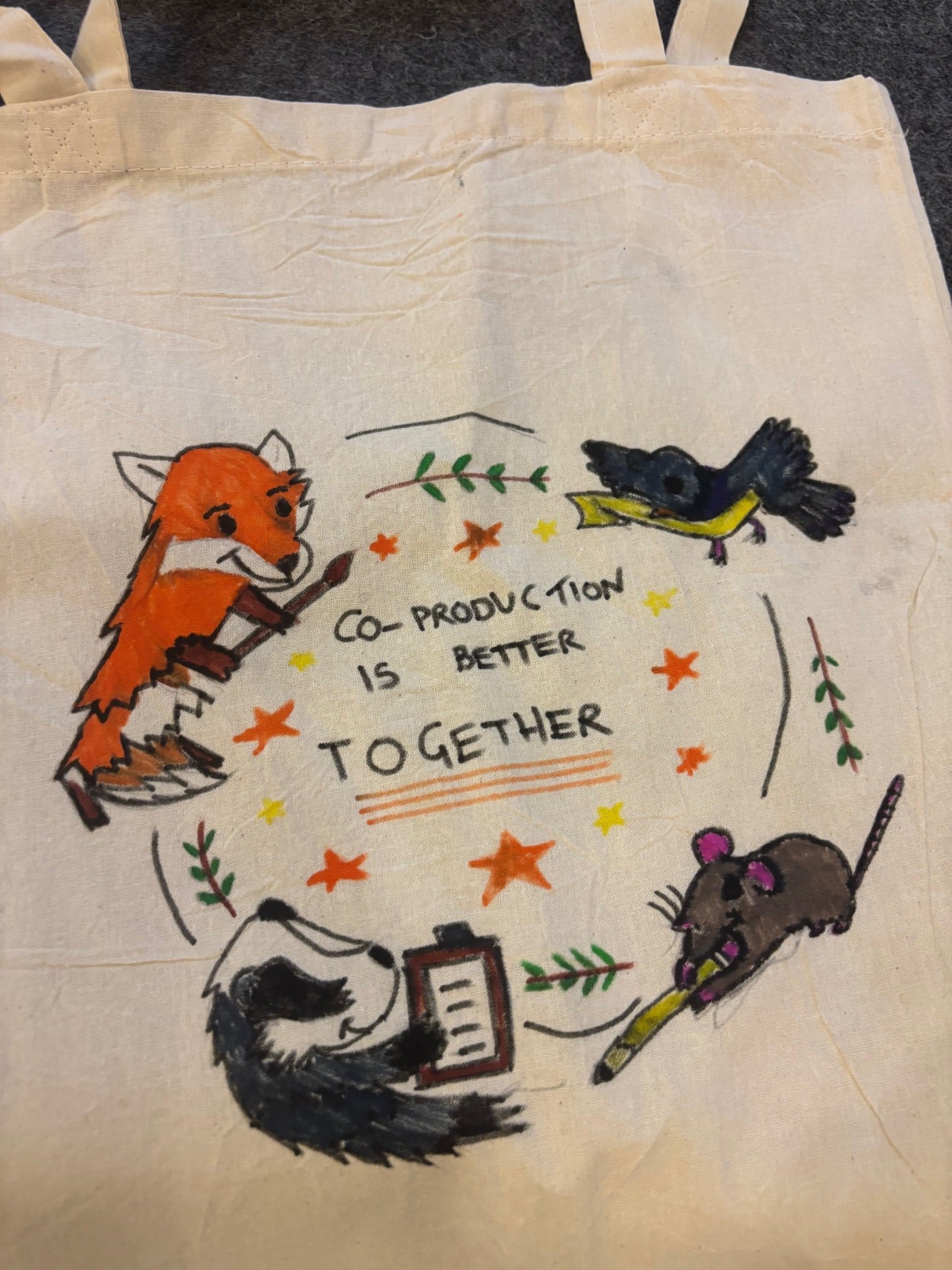
A creative quiet space ran throughout the day. This provided regulation, reflection and an alternative mode of participation. The artwork created, including messages such as “Co-production is better together” and “Make it happen”, reinforced that inclusive practice is not a side activity. It is central to how co-production is experienced.
Recognising sustained contribution
The awards focused on long-term impact rather than one-off activity. Categories recognised lived experience leadership, system influence, creative practice and network contribution. Across nominations, three themes were consistent: courage, persistence and willingness to challenge.
What happens next
This conference also marks the end of a funding cycle.
Capacity may reduce. The demand for credible co-production will not.
Next steps:
-
Finalise and steward the Sussex Co-production Charter
-
Embed standards within neighbourhood mental health structures
-
Identify new partners willing to co-own and resource the next phase
Co-production in Sussex has moved beyond rhetoric. The network is established. The learning base is stronger. The standards are emerging.
The question now is not whether co-production matters.
It is who is prepared to invest in making it accountable, structured and sustained.