
Neurodiversity Celebration Week: Neurodiversity and The Overlap With Mental Health
Neurodiversity Celebration Week is an opportunity to recognise something simple but powerful: there is no single “right” way for our brains to work.
Neurodiversity refers to the natural variation in how people think, learn, process information and experience the world. But celebration isn’t just about awareness – it’s about understanding, inclusion, and support.
Where neurodiversity and mental health meet
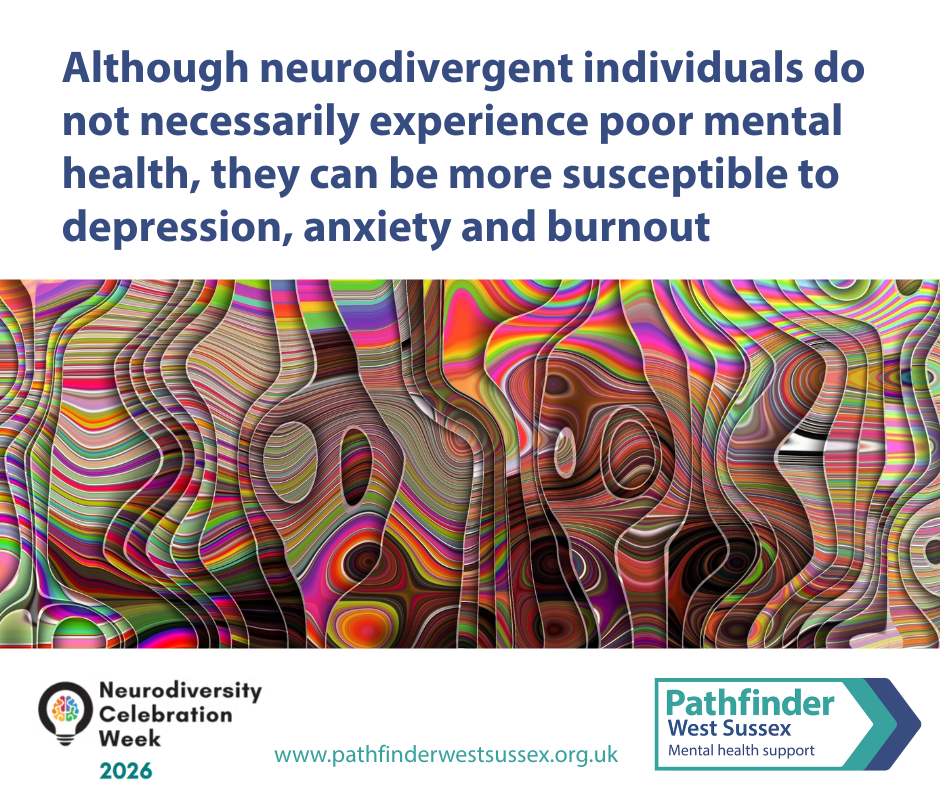
Being neurodivergent is not a mental illness. However, many neurodivergent people face additional pressures – from navigating systems not designed for them, to stigma, misunderstanding, or lack of support. Research shows significantly higher rates of anxiety and stress among neurodivergent individuals compared to neurotypical peers.
This overlap matters. When environments aren’t inclusive, mental health suffers. When people feel understood and supported, wellbeing improves. That’s why celebrating neurodiversity must go hand in hand with improving mental health support.
Moving beyond awareness to action
Neurodiversity Celebration Week, first launched to challenge misconceptions and highlight strengths, is now a global movement promoting acceptance and inclusion.
But real change happens in the everyday:
-
Creating workplaces and services that are accessible and flexible
-
Listening to lived experiences without judgement
-
Offering mental health support that recognises different communication styles and needs
-
Valuing strengths such as creativity, focus, empathy and innovation
We believe mental health services should work with neurodiversity, not against it.
Resources
If you’d like to explore more this week, here are some helpful starting points:
-
Neurodiversity Celebration Week Resource Hub – videos, guides and tools for individuals, families and organisations
https://www.neurodiversityweek.com/resource-hub -
Mentally Healthy Schools Toolkit – practical resources to support understanding and inclusion in education settings
Explore the toolkit -
Mates in Mind resources – workplace-focused guidance on supporting neurodiversity and mental wellbeing
https://www.matesinmind.org/training-and-resources/neurodiversity-celebration-week-16-20-march-2026 - Pathfinder West Sussex – www.pathfinderwestsussex.org.uk
Our Thoughts
Celebrating neurodiversity isn’t about ignoring challenges – it’s about recognising the full picture.
Different minds bring different strengths. But without the right understanding and support, those differences can also come with mental health challenges.
This week, and every week, our message is simple:
Inclusion supports wellbeing. Understanding changes lives.